
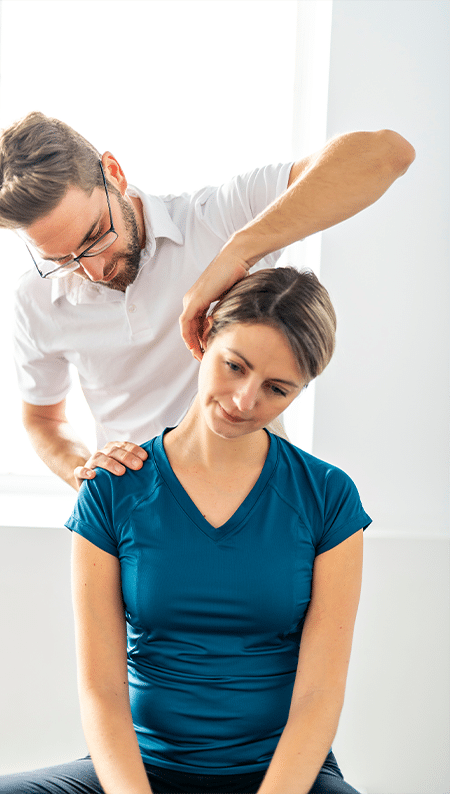
When it comes to joint treatment, many people experience discomfort from arthritis or other joint issues that can seriously impact their quality of life. Common causes of joint pain include arthritis, injuries, or aging. Symptoms often involve stiffness, swelling, and a “grating” feeling in affected areas. Recovery plans can vary widely: some benefit from simple over-the-counter medications, while others may need more involved therapies like physical therapy or even surgery.
For a quick overview, here are some common treatment options:
- Medications: NSAIDs, corticosteroids, and DMARDs.
- Therapy: Physical therapy and exercise.
- Alternative Techniques: Heat and cold therapy, acupuncture.
- Surgery: Joint replacement, arthroscopy.
I’m Bryan Wright, committed to helping others find relief from joint pain through innovative physical therapy solutions. With years of experience in embracing high-skilled treatment approaches, I am here to guide you through effective joint treatment options. Let’s dive deeper into understanding how you can manage and mitigate joint pain.
Terms related to joint treatment:
– arthritis treatment
– osteoarthritis self-care
– arthritis pain relief
Understanding Joint Pain
Joint pain can be a real nuisance, affecting one or more joints in your body. It’s often caused by a variety of factors, including arthritis, injuries, or autoimmune diseases. Let’s break down the main causes and symptoms you might encounter.
Causes of Joint Pain
-
Arthritis: This is a leading cause of joint pain. There are over 100 types of arthritis, but the most common ones are osteoarthritis and rheumatoid arthritis. Osteoarthritis occurs when the cartilage that cushions the joints wears down, while rheumatoid arthritis is an autoimmune disease where the immune system attacks the joints.
-
Autoimmune Diseases: Conditions like lupus and rheumatoid arthritis fall into this category. They cause the immune system to mistakenly attack healthy joint tissues, leading to pain and inflammation.
-
Injuries: Sprains, fractures, or overuse injuries can also lead to joint pain. These are often associated with swelling and tenderness.
-
Other Causes: Gout, infections, and bursitis are other common causes of joint pain. Gout is characterized by crystals forming in the joints, while bursitis is inflammation of the fluid-filled sacs that cushion the joints.
Common Symptoms
Joint pain often comes with a set of symptoms that can help identify the underlying issue. Here are some of the most common ones:
-
Swelling: This is a clear sign of inflammation and can make the joint appear larger than normal. Swelling often accompanies injuries and arthritis.
-
Stiffness: Many people with joint pain experience stiffness, especially in the morning or after periods of inactivity. This can make movement difficult and uncomfortable.
-
Redness and Warmth: Inflammation can cause the skin around the joint to become red and warm to the touch. This is often seen in cases of infection or autoimmune conditions.
-
Tenderness: Affected joints may be painful when touched or moved. This tenderness is a common symptom of most joint-related issues.
Understanding these symptoms is crucial for effective joint treatment. Recognizing the signs early can lead to better management and improved quality of life.
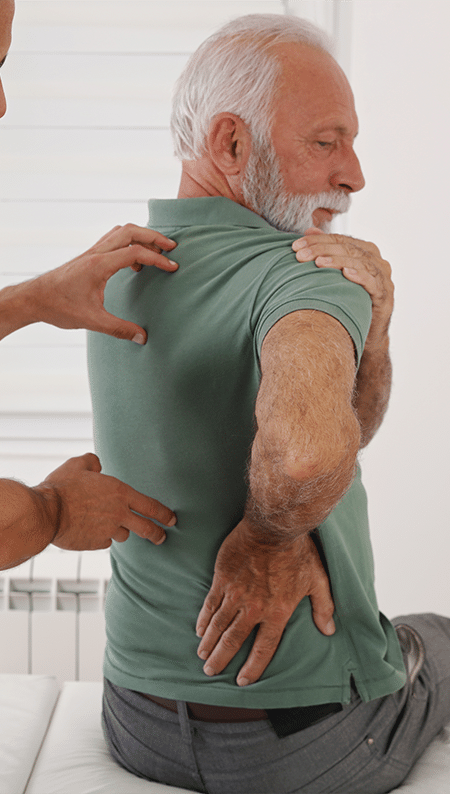
In the next section, we’ll explore various treatment options, including medications and physical therapy, to help alleviate these symptoms and improve joint function.
Joint Treatment Options
When it comes to joint treatment, there are several paths you can take, depending on your symptoms and needs. Let’s explore some of the most effective options, including medications, physical therapy, and surgical interventions.
Medications for Joint Pain
Medications can play a significant role in managing joint pain. Here are some common types:
-
NSAIDs: Nonsteroidal anti-inflammatory drugs like ibuprofen and naproxen are often the first line of defense. They reduce both pain and inflammation, making them a popular choice for many types of arthritis. However, long-term use can lead to side effects like stomach irritation and increased risk of heart issues, so it’s important to use them wisely.
-
Corticosteroids: These are powerful anti-inflammatory drugs that can be taken orally or injected directly into the joint. They provide quick relief but come with potential side effects such as weight gain and bone thinning.
-
DMARDs: Disease-modifying antirheumatic drugs are particularly effective for inflammatory types of arthritis, like rheumatoid arthritis. They work by slowing disease progression and preventing joint damage. Methotrexate is a common DMARD used for this purpose.
Physical Therapy and Exercise
Physical therapy is a cornerstone of joint treatment and can be incredibly beneficial in managing pain and improving joint function. At Wright Physical Therapy, a personalized approach is taken to address each patient’s unique needs:
-
Strengthening Exercises: Building muscle around the joints can help stabilize and support them, reducing pain and improving function. Exercises are custom to the individual’s condition and abilities.
-
Range of Motion: Regular exercises that focus on maintaining and improving the range of motion can prevent stiffness and improve flexibility. This is crucial for maintaining joint health and function.
-
Lifestyle Changes: Incorporating regular, low-impact exercises like swimming or cycling can significantly benefit joint health. These activities help maintain a healthy weight and reduce stress on the joints.
Surgical Interventions
When other treatments aren’t enough, surgical options might be considered:
-
Joint Replacement: This involves replacing a damaged joint with a prosthetic one. It’s a common procedure for severe arthritis and can offer long-term relief from pain and improved mobility.
-
Arthroscopy: A minimally invasive surgery that allows doctors to view, diagnose, and treat joint issues. It’s often used to repair cartilage or remove debris from the joint.
-
Joint Fusion: This involves fusing two bones together to stabilize a joint and reduce pain. It’s typically used for smaller joints like those in the spine, wrist, or ankle.
Each of these treatments has its place in joint care, and the best choice depends on individual circumstances. Consulting with healthcare providers, like those at Wright Physical Therapy, can guide you to the most effective joint treatment for your situation.
In the following section, we’ll dig into home remedies and alternative treatments that can complement these approaches.
Home Remedies and Alternative Treatments
While traditional medical interventions are crucial, home remedies and alternative treatments can also play a significant role in managing joint pain. Let’s explore some effective options:
Heat and Cold Therapy
Using heat and cold can be a simple yet effective way to alleviate joint pain.
-
Heat Therapy: Applying a warm compress or taking a hot shower can help relax muscles and improve circulation, reducing stiffness. Just be cautious not to overheat the area. Use heating pads for no more than 20 minutes at a time.
-
Cold Therapy: Ice packs can reduce inflammation and numb the area, providing relief from acute pain. They’re particularly useful after exercise or an injury.
Acupuncture
Acupuncture involves inserting thin needles at specific points on the body. Some studies suggest it can help relieve arthritis pain by improving energy flow and reducing inflammation. It might take a few sessions to see results, but many find relief through this ancient practice.
Glucosamine Supplements
Glucosamine is a natural component of cartilage. Supplements are often used to relieve symptoms of osteoarthritis, particularly in the knees. While results can be mixed, many people report reduced pain and improved joint function. Always consult with a doctor before starting any supplement.
Lifestyle Modifications
Weight Loss: Carrying extra weight puts additional stress on joints, especially weight-bearing ones like the knees and hips. Losing even a small amount of weight can make a big difference in reducing pain and improving mobility.
Supportive Aids: Devices like braces, canes, and orthotic shoe inserts can help take pressure off painful joints. They provide stability and make daily activities easier, enhancing your quality of life.
Exercise Benefits: Regular, gentle exercise is vital for joint health. Activities like yoga, swimming, and walking help maintain flexibility and strengthen muscles around the joints. Exercise also boosts mood and can help with weight management.
Incorporating these alternative treatments and lifestyle changes can complement medical treatments and improve overall joint health. Always discuss with your healthcare provider to tailor these strategies to your specific needs and ensure they fit well with your overall treatment plan.
In the next section, we’ll discuss the importance of early diagnosis and how personalized treatment plans can make a significant difference in managing joint pain.
Conclusion
Early Diagnosis is Key
Catching joint issues early can make a world of difference. Early diagnosis allows for timely intervention, which can slow down the progression of conditions like arthritis. It also opens up more treatment options, making it easier to tailor a plan that works best for you. Paying attention to symptoms like swelling, stiffness, and redness can lead to quicker identification and treatment.
Personalized Treatment Plans
No two people are the same, and neither are their joint issues. Personalized treatment plans are crucial because they consider your specific condition, lifestyle, and needs. At Wright Physical Therapy, we focus on creating individualized plans that address the root cause of your pain. Whether it’s through exercises, manual therapy, or lifestyle modifications, we aim to provide care that fits you perfectly.
Wright Physical Therapy’s Approach
At Wright Physical Therapy, we believe in treating pain at its source. Our compassionate and competent team is dedicated to helping you regain control over your life. We focus on community impact and patient education, ensuring you understand your condition and treatment options. By combining physical therapy with other interventions, we strive to offer comprehensive joint treatment that promotes healing and improves quality of life.
Incorporating early diagnosis and personalized plans into your joint treatment strategy can greatly improve your journey to better joint health. Our team at Wright Physical Therapy is here to guide you every step of the way, ensuring effective and efficient care custom just for you.