
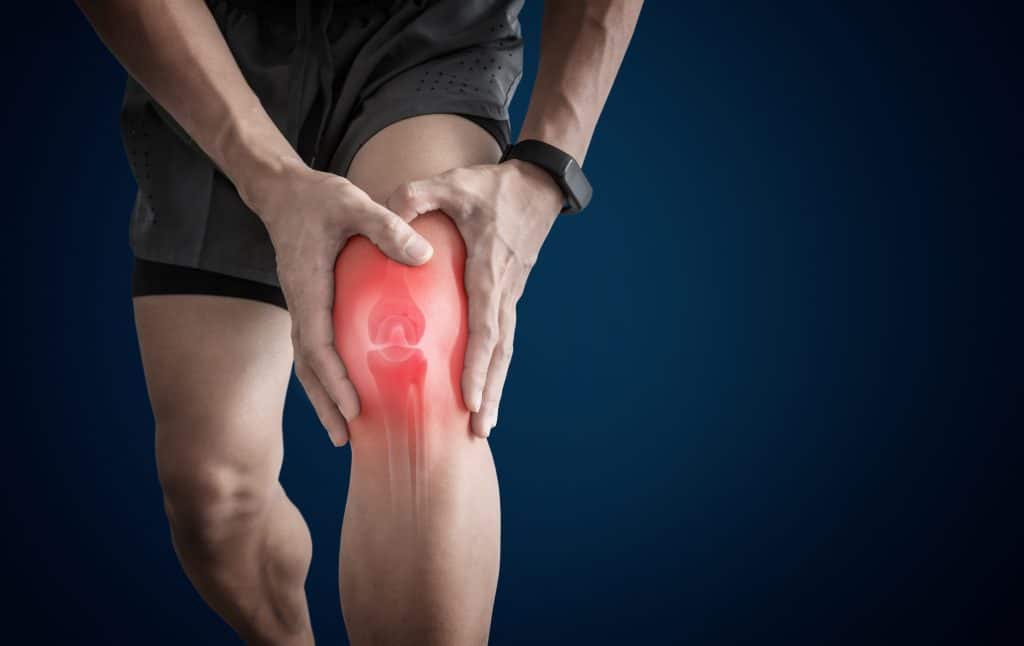
Knee joint replacement physiotherapy is a crucial component on the road to a successful recovery and improved mobility. Whether you have recently undergone this procedure or are preparing for it, understanding the rehabilitation journey can make a significant difference in your long-term outcomes. Here’s a quick summary of why knee joint replacement physiotherapy is essential:
- Accelerates Recovery: Initiates movement and strength-building shortly after surgery.
- Improves Mobility: Focuses on exercises that improve range of motion and stability.
- Reduces Pain: Helps alleviate pain and discomfort associated with surgery.
- Strengthens Muscles: Incorporates targeted exercises to rebuild muscle strength, particularly in weakened quadriceps.
- Prepares for Real-world Activities: Gradually prepares you to return to daily activities and sports.
At Wright Physical Therapy, located across various Idaho cities, we specialize in custom rehabilitation plans designed to help you achieve a complete recovery.
My name is Bryan Wright, and my objective is to inspire and guide individuals through effective knee joint replacement physiotherapy. With a proven track record in providing high-skilled physical therapy treatment, I focus on creating joyful, pain-free lives through personalized and innovative solutions.
In the next sections, we’ll dig deeper into the surgery, the significance of physiotherapy, and specific exercises to speed up your recovery process.
Knee joint replacement physiotherapy terms you need:
– advanced exercises for knee replacement
– exercise for stiff knee after surgery
– tka protocol
Understanding Knee Joint Replacement
The Importance of Physiotherapy
Knee joint replacement surgery is a significant step for those struggling with severe arthritis or debilitating knee pain. This procedure involves replacing the damaged parts of the knee joint with artificial components, offering a new lease on life for many. But the surgery is just the beginning of the journey.
Physiotherapy is vital in ensuring the success of knee joint replacement. Here’s why:
-
Rehabilitation and Recovery: After surgery, the knee joint needs time and guided exercises to regain its former function. Physiotherapy accelerates this recovery process, allowing patients to return to their daily routines more swiftly.
-
Muscle Strength: Surgery can weaken muscles around the knee. A structured physiotherapy program helps rebuild muscle strength, particularly in the quadriceps, which are crucial for knee stability and movement.
-
Mobility and Range of Motion: A key goal of physiotherapy is to improve the knee’s range of motion. This involves exercises that help you bend and straighten your knee, crucial for tasks like walking and climbing stairs.
-
Pain Relief: While knee replacement aims to eliminate arthritis pain, post-surgery discomfort can persist. Physiotherapy uses techniques and exercises to reduce this pain and improve overall comfort.
-
Personalized Care: At Wright Physical Therapy, we understand that each patient’s recovery journey is unique. Our team tailors rehabilitation plans to meet individual needs, ensuring optimal recovery outcomes.

Patients often ask, “How long will recovery take?” While timelines can vary, consistent physiotherapy is known to improve recovery speed and quality. It prepares the knee for real-world activities, from simple daily tasks to more demanding recreational activities.
In the following sections, we’ll explore specific exercises that form the backbone of knee joint replacement physiotherapy, guiding you step by step towards full recovery.
Knee Joint Replacement Physiotherapy
Early Post-operative Exercises
After knee joint replacement surgery, the early recovery phase is critical. This is when your body begins to heal, and start with gentle exercises to promote circulation and prevent complications like blood clots. At Wright Physical Therapy, we focus on a few key exercises during this stage:
-
Quadriceps Sets: These are simple yet effective. Tighten your thigh muscle and try to straighten your knee. Hold for 5 to 10 seconds and repeat about 10 times. This helps in regaining quadriceps strength, which is crucial for knee stability.
-
Straight Leg Raises: Lie on your back and tighten your thigh muscle with your knee straight. Lift your leg a few inches off the bed, hold for a few seconds, and slowly lower it. This exercise strengthens the quadriceps without bending the knee, which is perfect for the early recovery stage.
-
Ankle Pumps: Move your foot up and down rhythmically. This exercise boosts circulation and helps reduce swelling. Aim for 2 to 3 minutes, several times an hour.
-
Knee Bends: Slowly bend your knee as much as possible and then straighten it. This movement helps improve range of motion, which is vital for regaining mobility.
These exercises are designed to be simple and can even be done in bed shortly after surgery. They lay the foundation for more advanced exercises as you progress in your recovery journey.
Advanced Exercises and Activities
As you gain strength and mobility, it’s time to move on to advanced exercises. These exercises are more challenging and help you regain full function and confidence in your knee:
-
Resistance Exercises: Using resistance bands or light weights can further strengthen your muscles. Exercises like squats and leg presses are introduced when you’re ready, focusing on building strength in the quadriceps and surrounding muscles.
-
Exercycling: Riding a stationary bike is an excellent way to improve knee flexibility and cardiovascular fitness without putting too much strain on the joint. Start with short sessions and gradually increase the duration as your endurance improves.
-
Cardiovascular Exercise: Activities like walking on a treadmill or swimming are great for building endurance. These exercises also help maintain a healthy weight, reducing stress on your new knee.
-
Balance Improvement: Balance exercises are crucial to prevent falls and improve coordination. Simple activities like standing on one leg or using a balance board can make a big difference.
Each patient’s recovery is unique, and the pace at which you progress through these stages will vary. Our team at Wright Physical Therapy is here to guide you every step of the way, ensuring your exercises are safe and effective.
In the next section, we’ll explore how to overcome common challenges during recovery and celebrate the small victories along the way.
Overcoming Challenges in Recovery
Long-term Recovery and Maintenance
Knee joint replacement physiotherapy is not a sprint but a marathon. Along the way, you might face challenges like scar tissue, which can limit your knee’s range of motion. But don’t worry—there are solutions!
Scar tissue is a normal part of healing but can sometimes cause tightness. If this happens, a procedure called manipulation under anesthesia (MUA) might be needed. During MUA, a doctor gently bends and straightens your knee to break up scar tissue. It’s a simple outpatient procedure that can significantly improve motion.
Setbacks are part of the journey. Tami Helkey, for example, faced a stall in progress due to scar tissue. But after undergoing MUA, she experienced a breakthrough. Her story reminds us that perseverance and a positive outlook are key.
“Every day in therapy, there are little victories: a few more degrees in knee motion, a more normal walking gait, a little less pain,” Tami shared. These small wins build momentum and keep you motivated.
Continued exercises are crucial for long-term success. Even after formal therapy sessions end, it’s important to keep moving. This might involve daily stretches, strength exercises, or activities like walking or swimming. These routines help maintain flexibility and strength, preventing future issues.
Lifestyle changes also play a big role in recovery. Maintaining a healthy weight reduces stress on your new knee, and activities like yoga or tai chi can improve balance and flexibility. If you smoked before surgery, quitting can improve healing and overall health.
Patient education is vital. Knowing what to expect and how to care for your knee empowers you to take charge of your recovery. At Wright Physical Therapy, we emphasize educating our patients, ensuring they’re equipped with the knowledge to succeed.
Full recovery takes time—often 10 to 12 months. But with dedication, support, and the right guidance, you can overcome challenges and achieve a successful recovery.
In the next section, we’ll dig into the importance of long-term recovery and how to maintain your progress for years to come.
Conclusion
At Wright Physical Therapy, we believe in the power of personalized care to transform lives. Our approach is not just about treating the knee; it’s about treating the whole person. We understand that every patient is unique, and so is their journey to recovery.
Our commitment to community impact is at the heart of what we do. By serving various locations across Idaho, including Boise, Twin Falls, and Idaho Falls, we aim to make a positive difference in the lives of our patients and their families. Our team is dedicated to providing compassionate and efficient care, ensuring that everyone receives the attention they deserve.
Patient success stories are the highlight of our work. Take Tami Helkey, for example. After facing setbacks, she found renewed strength and confidence through our specialized programs. Her journey from pain to freedom is a testament to the effectiveness of our approach.
“I have my life back,” Tami expressed with gratitude, a sentiment echoed by many of our patients.
Our focus on patient education ensures that everyone is equipped with the knowledge they need for long-term success. We empower our patients to take control of their recovery, helping them make informed decisions about their health.
If you’re ready to start your journey toward recovery, visit us at Wright Physical Therapy to find how our personalized care can make a difference in your life. Together, we can help you get back to doing the activities you love.
Thank you for joining us on this exploration of knee joint replacement physiotherapy. We look forward to being a part of your recovery journey.