
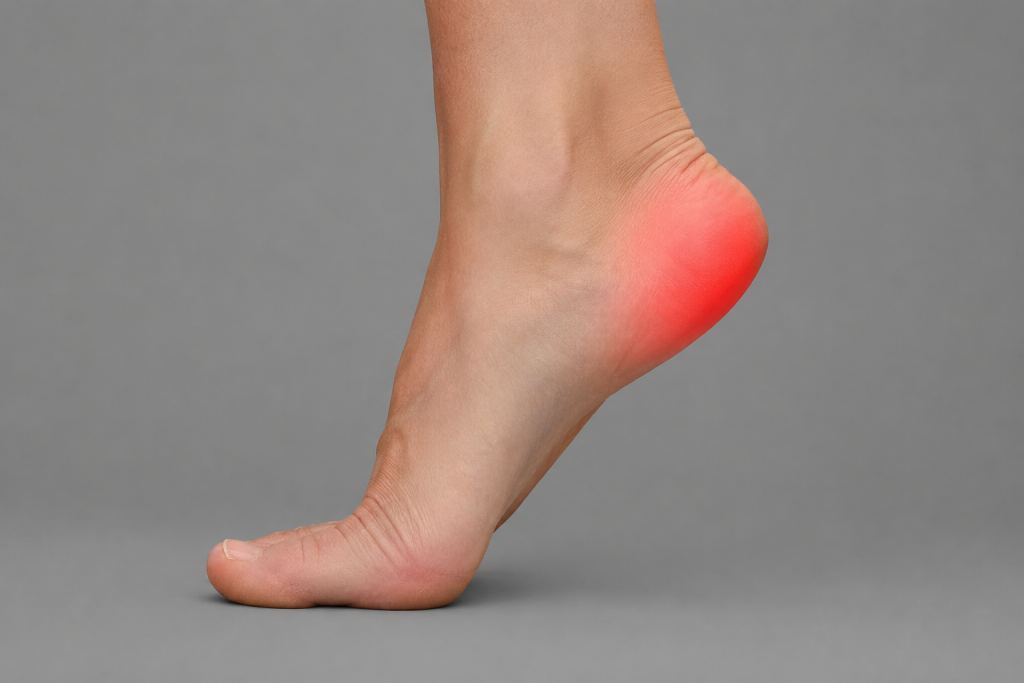
When spring weather settles into Ammon, Idaho, many of us feel the itch to get outside again. Long trails start calling after months of limited movement, and walking more often feels like a refreshing way to shake off winter. But for some, this seasonal reboot brings an unexpected problem: heel pain. It might be mild at first, but it can easily grow into something that keeps you from enjoying the outdoors.
Heel pain after long walks is a common issue we see, especially in the early weeks of more consistent activity. If you’ve been feeling soreness creeping in after a hike or just a simple walk through your neighborhood, there’s likely a reason behind it. For those living nearby, physical therapy in Ammon, Idaho, can play an important role in understanding what’s happening and how to move forward without making it worse.
What’s Behind That Heel Pain?
It’s common to feel tightness or weakness when you jump from a low-activity winter to more movement in spring. The heel handles a lot of pressure during each step, and when the load increases quickly, overuse pain often follows.
- Plantar fasciitis is one of the most common causes of heel pain. It’s linked to irritation where the arch connects to the heel bone.
- Straining the Achilles tendon, especially on hills or uneven land, also overstresses the back of the heel and ankle area.
- Spring trails can be rocky, soft, or uneven from the last snow melt, making your feet work extra hard to stay balanced.
- Shoes with worn-out padding or poor support can leave your heel exposed to impact without enough cushion or alignment help.
When walks get longer and trails become more a part of your day, your feet need stronger support and time to adjust. That doesn’t always happen when people get excited about the nice weather and end up pushing a little too far.
Signs It’s More Than Just Soreness
Most people expect to feel a little sore after doing something new or more intense. That’s pretty normal. But some signs tell us it’s not just regular soreness and shouldn’t be pushed through.
- Pain that’s worst in the morning or after sitting still is a red flag. It can signal inflammation that needs more attention.
- If certain parts of your heel feel extra tender or swollen, especially after rest, it’s likely not a good idea to keep walking on it.
- Sharp or burning pain near your heel during daily activities may suggest an injury that needs a closer look.
When heel pain sticks around or gets worse over time, it can start to change how you walk or move. That creates extra strain everywhere else: your hips, knees, or back, all from a small pain that wasn’t addressed early on.
Everyday Mistakes That Make It Worse
Some things that seem minor at first can make heel pain last longer than it should. We talk with a lot of people who are surprised to learn their habits are part of the problem.
- Wearing shoes from last season that look fine but have lost their support
- Picking trails that are too long or too uneven without building up to them
- Forgetting to warm up before heading out, stretching after the walk, or mixing in rest days
- Not thinking about walking form, especially if you’re leaning forward or rolling your feet too much inward or outward
These patterns tend to build up slowly, so people don’t notice them at first. But over time, they put more stress on the heel and reduce your body’s ability to bounce back.
How Physical Therapy Can Help You Heal Faster
Walking shouldn’t leave you sore for days, and pain that changes how you move needs to be understood, not ignored. That’s where professional help makes a difference because it looks at more than just symptoms.
- We often start by watching how someone walks and checking how their feet respond to different types of terrain
- From there, certain stretches help loosen up tight muscles or tendons around the heel
- Balance and foot stability work can help support arches and reduce strain with each step
- In some cases, hands-on work around the foot and ankle helps relieve tight tissue and improve flexibility
For those living near Ammon, Idaho, having care that understands your trail habits and goals makes it easier to come up with an approach that works and lasts. The goal isn’t just to fix the pain but to give you confidence that it won’t come back every time spring rolls around.
Steps to Walk More Comfortably This Spring
If you’re already feeling heel discomfort or trying to stop it before it starts, there are a few small adjustments that go a long way.
- Replace worn-out shoes and pick ones with good arch support and soft, supportive soles
- Start out on smoother, shorter surfaces and gradually build up trail distance or intensity
- Give your feet a full day to rest between longer walks to keep inflammation low
- Do basic stretches like calf raises, toe curls, and towel scrunches to improve foot strength
- Spend a minute checking your stride to make sure you’re not leaning forward or limping to avoid pain
These steps don’t take much time but can make a big difference if your goal is pain-free movement that sticks throughout the spring.
Keep Heel Pain From Holding You Back
Ammon, Idaho, is full of walkable spots once the weather warms up, and it makes sense that many of us want to take full advantage of that. But if heel pain is creeping in after your walks, it’s worth slowing down and asking why.
Staying ahead of the problem now can stop it from getting worse and changing how you move throughout the rest of the season. With some smart shifts and a little help where needed, you can keep your walks more enjoyable and less painful.
Heel pain shouldn’t hold you back from enjoying your favorite activities or daily routines. At Wright Physical Therapy, we specialize in finding the source of your discomfort and providing practical solutions to help you move comfortably again. By focusing on movement patterns, shoe support, and your walking surfaces, our team works to protect your feet and reduce strain before it leads to bigger issues. Discover how physical therapy in Ammon, Idaho can ease soreness and boost your confidence. Reach out to us today to get started.