
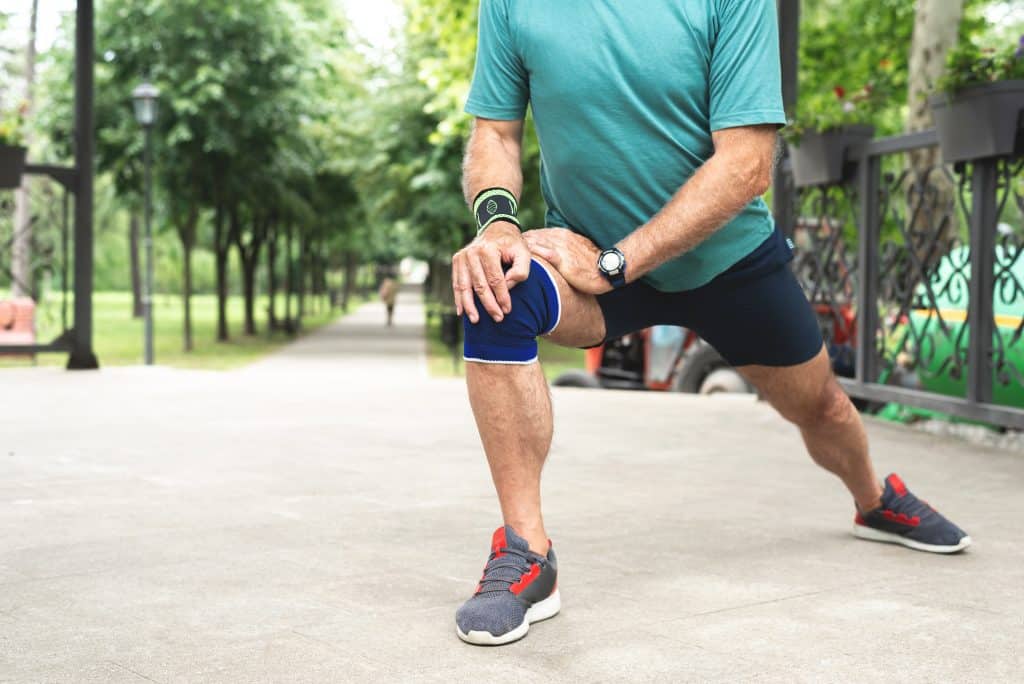
Knee joint rehabilitation exercises are essential for managing knee pain, enhancing recovery from injury, and strengthening this crucial joint. For those experiencing knee discomfort or recovering from a knee injury, incorporating targeted exercises can promote healing and improve mobility. These exercises focus on three key areas:
- Restoring range of motion
- Building strength in the knee and surrounding muscles
- Integrating functional activities for daily living
Taking small, careful steps can lead to significant health improvements, allowing you to get back to an active lifestyle.
I’m Bryan Wright, dedicated to helping individuals find joy and alleviate knee pain through effective physical therapy. With experience in guiding patients through knee joint rehabilitation exercises, I am committed to delivering high-quality, personalized care to help you reclaim your life. Let’s explore more about enhancing your knee health with targeted exercises.
Knee joint rehabilitation exercises terms to remember:
– advanced exercises for knee replacement
– knee joint replacement physiotherapy
– tka protocol
Understanding Knee Joint Rehabilitation Exercises
Knee joint rehabilitation exercises are your ticket to stronger, healthier knees. These exercises are vital for anyone dealing with knee pain or recovering from an injury. They help improve your range of motion, flexibility, and strength—key factors in getting back to your daily activities without discomfort.
Importance of Strengthening
Strength is the foundation of healthy knees. To support your knee joint, it’s crucial to focus on strengthening the quadriceps, hamstrings, and glutes.
- Quadriceps: These muscles, located at the front of your thigh, help with knee extension. Exercises like leg extensions and straight-leg raises can boost their strength.
- Hamstrings: Found at the back of your thigh, the hamstrings support knee flexion. Hamstring curls are an excellent exercise to keep them strong.
- Glutes: Your glute muscles stabilize your hips and knees. Incorporating exercises like clamshells and glute bridges can improve their strength.
Building these muscles reduces stress on your knees, allowing them to absorb shock better and function more efficiently.
Enhancing Flexibility
Flexibility is just as important as strength. Stretching exercises help maintain the range of motion and prevent injuries.
- Range of Motion: Exercises like wall slides and passive knee flexion help keep your knees moving smoothly.
- Stretching: Regular stretching keeps your muscles long and flexible. Try the calf stretch to target the gastrocnemius-soleus complex. Stand facing a wall, with one leg bent forward and the other straight behind you. Press your hips forward and hold.
- Dynamic Stretches: Incorporate dynamic stretches like hip flexor and figure 4 stretches to improve flexibility. These stretches prepare your muscles for activity and reduce stiffness.
Enhancing flexibility ensures that your muscles and joints can move through their full range without pain, contributing to overall knee health.
By focusing on both strength and flexibility, you can create a balanced approach to knee joint rehabilitation exercises. This combination is key to recovering from injuries and maintaining healthy, pain-free knees.
Effective Knee Joint Rehabilitation Exercises
When it comes to knee joint rehabilitation exercises, striking a balance between strengthening and flexibility is crucial. Let’s explore some effective techniques.
Strengthening Techniques
- Heel Cord Stretch
- Target Area: Calf and heel.
- How to Perform: Stand facing a wall. Place your unaffected leg forward with a slight bend at the knee. Keep your affected leg straight behind you, heel flat. Push your hips toward the wall. Hold for 30 seconds, relax, and repeat.
- Frequency: 6 to 7 days a week.
- Quadriceps Stretch
- Target Area: Front of the thigh.
- How to Perform: Hold onto a chair for balance. Bend your knee, bringing your heel towards your buttock. Grasp your ankle and gently pull your heel closer. Hold for 30 to 60 seconds, then switch legs.
- Frequency: 4 to 5 days a week.
- Hamstring Curls
- Target Area: Back of the thigh.
- How to Perform: Stand with feet shoulder-width apart. Use a resistance band or ankle weights. Bend your knee, raising your heel toward your buttocks. Hold for 5 seconds, then lower.
- Frequency: 4 to 5 days a week.
- Half Squats
- Target Area: Quadriceps, glutes, hamstrings.
- How to Perform: Stand with feet shoulder-width apart. Bend your knees slightly, keeping your back straight. Return to standing. This exercise strengthens multiple muscle groups around the knee.
- Leg Extensions
- Target Area: Quadriceps.
- How to Perform: Sit on a chair or leg extension machine. Extend one leg out straight, hold, and then lower. Focus on tightening your quadriceps.
- Frequency: 3 to 4 days a week.
- Straight-Leg Raises
- Target Area: Quadriceps.
- How to Perform: Lie on your back, one leg bent and the other straight. Lift the straight leg to the height of the bent knee, hold, then lower.
- Frequency: 3 to 4 days a week.
Flexibility and Stretching
- Hip Flexor Stretch
- How to Perform: Kneel on one knee with the other foot in front. Push your hips forward until you feel a stretch in the hip of the kneeling leg. Hold for 30 seconds and switch.
- Dynamic Hamstring Stretch
- How to Perform: Lie on your back with one leg bent. Lift the other leg, keeping it straight. Use a towel to gently pull it towards you. Hold for 30 to 60 seconds.
- Figure 4 Stretch
- How to Perform: Lie on your back. Cross one ankle over the opposite knee. Pull the uncrossed leg toward your chest until you feel a stretch in your hip and glutes. Hold for 30 seconds and switch.
Incorporating these knee joint rehabilitation exercises into your routine will help you build strength and improve flexibility. This combination is key to a successful recovery and maintaining knee health. Now, let’s explore more about how these exercises can be personalized for individual needs.
Conclusion
At Wright Physical Therapy, we believe in the power of personalized care and patient education. Our approach is designed to ensure that every patient receives a treatment plan custom to their unique needs and goals. We understand that each journey to recovery is different, which is why our dedicated team of physical therapists works closely with you to develop a plan that focuses on relieving pain, improving joint function, and rebuilding knee strength.
Personalized Care is at the heart of what we do. From your first appointment, we take the time to thoroughly evaluate your condition. We examine your knees for signs of misalignment or structural damage and assess your stance, posture, gait, and range of motion. This comprehensive evaluation allows us to create a treatment plan that targets the root cause of your knee pain.
We also emphasize the importance of patient education. We believe that informed patients are empowered to take control of their health. Our therapists will teach you the best knee joint rehabilitation exercises and proper techniques to ensure you perform them safely and effectively. You’ll also learn how to monitor your progress and recognize signs that you may need to adjust your routine.
By choosing Wright Physical Therapy, you’re not just getting a treatment plan—you’re gaining a partner in your journey to better health. Let’s work together to rebuild your strength and get you back to doing the activities you love.
Ready to start your recovery journey? Make an appointment with Wright Physical Therapy today and take the first step towards long-lasting knee pain relief!